A game room under 120 square feet
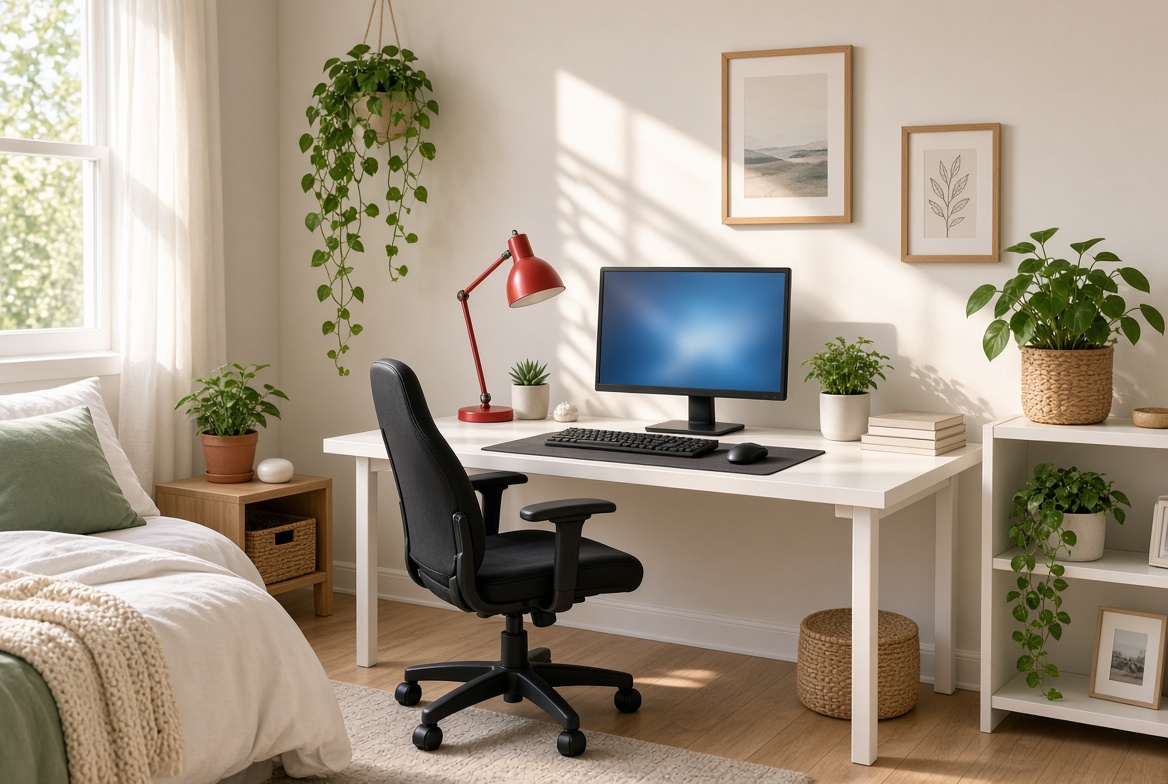
Under 120 square feet, a game room is a corner with rules, not a catalog. The win condition is one comfortable seat, one screen, storage that closes, and a path to the door. Everything else is optional and usually in the way.
One zone, ruthlessly
Pick screen or table. A 10 by 12 room can hold a desk and a 43-inch TV on the same wall if the chair serves both, but it cannot hold a 7-foot multi-game table and a racing chair. If friends come over for board games, a wall-mounted drop-leaf or a table you store behind the door beats a permanent cabinet. Vertical space is the extra square footage: a shelf at 14 inches above the desk holds games without eating knee room.
Furniture that leaves a path
A chair with a five-wheel base needs a mat and about a meter of roll, or it lives in the hallway. In a nook, a stationary chair or a recliner that does not travel is kinder. Wall-mount the display if the stand’s feet collide with the soundbar. A monitor arm also gives back the desk depth a laptop would have stolen.
Storage should close. Open cubes look like a shop and collect dust and controllers. A cabinet with one open shelf for the games of the month is enough display. The rest can live in labeled bins. Cable raceways in black, stuck to the underside of the desk, do more for the photo than any neon sign.
Light in a small box
Small rooms amplify glare because every wall is close. One dimmable strip behind the monitor and one warm lamp is the whole scheme. A large neon piece will dominate and reflect. If you want the blue-and-red identity, use a short red strip under the shelf and a blue bias light, both dimmable, and stop.
See monitor arms on Amazon See cable raceways
Shared bedrooms
When the game corner is inside a bedroom, give it a visual edge — a rug that stops at the desk zone — so the bed stays a bed. Headphones on a stand, not a speaker on the headboard, keep the other person in the room willing to share. More on that split is in the kids and teen guide.
A sample 10 by 11 layout
Put the desk on the long wall, screen centered, chair mat ending before the door swing. Shelf goes on the wall above the desk, not above the bed if this is a bedroom, so a tipped case does not land on a pillow. The second seat is a floor chair that slides under the desk at night. Lighting is a bias strip and a lamp on the shelf’s right end, away from the window glare in the afternoon. There is no table. Board games live in two bins and come out on the desk after the laptop is closed. That is a complete room. Adding a cabinet “because the listing was on sale” is how the path disappears.
If a parent shares the room for work during the day, the same desk has to clear in five minutes: laptop into a sleeve, controller into the bin, chair pushed to the tape line. A room that cannot reset will be resented by whoever needs it next, and resentment closes game rooms faster than a bad chair.